
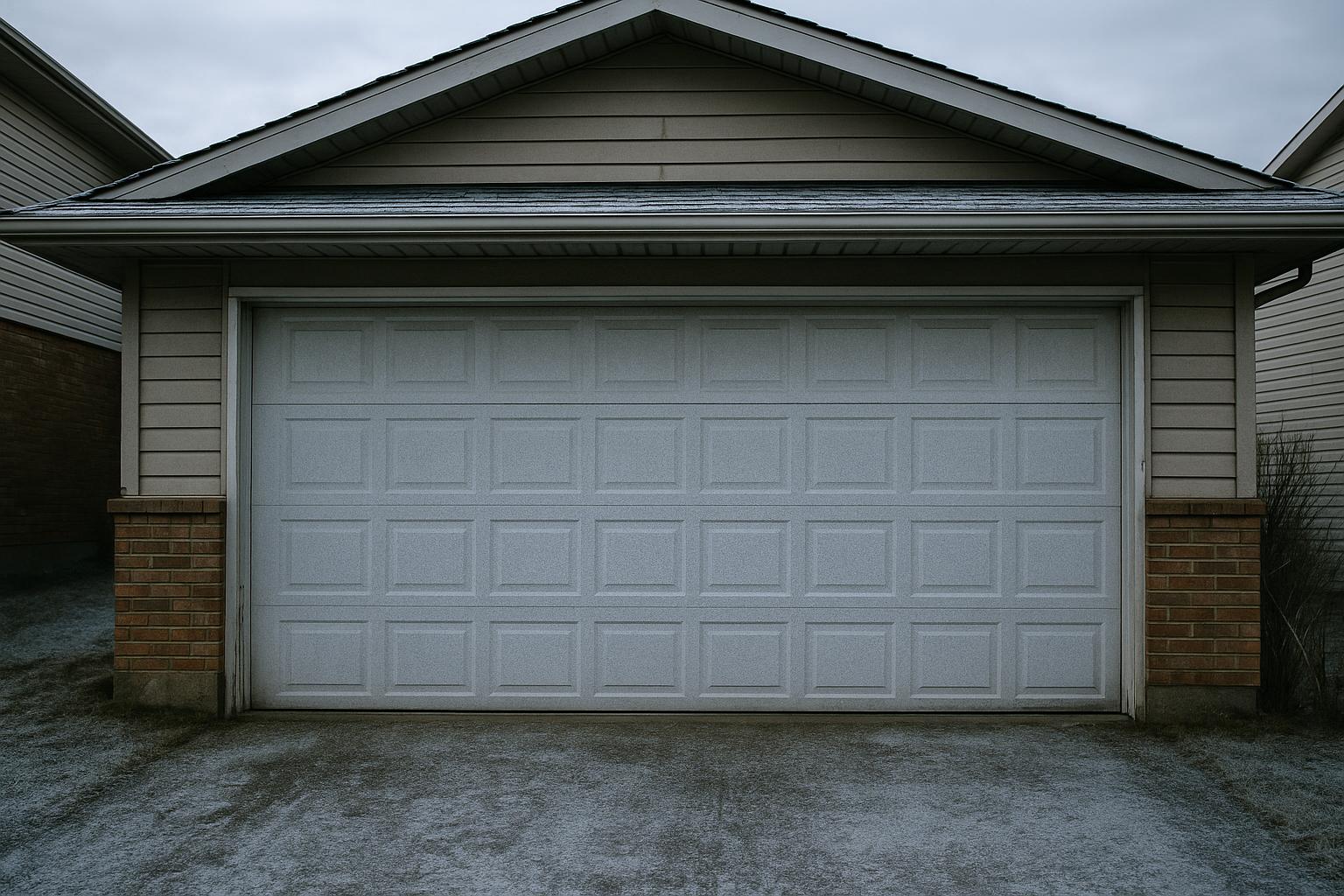
Why Cold Weather Wreaks Havoc on Garage Doors
Virginia Beach may not see the brutal winters that hit further north, but our cold snaps can still cause serious problems for your garage door. When temperatures drop into the 20s and 30s — especially overnight — homeowners across the area wake up to discover their garage door won't budge. It's one of the most common calls we get during the winter months, and the good news is that most cold-weather garage door issues are preventable.
Whether your door is frozen to the ground, your opener is struggling, or the whole system just feels sluggish, understanding what's happening can save you time, money, and a frustrating morning when you're trying to get to work.
Common Reasons Your Garage Door Won't Open When It's Cold
1. The Weather Seal Is Frozen to the Ground
This is the most frequent culprit. The rubber weather seal along the bottom of your garage door is designed to keep out rain, wind, and debris. But when moisture collects beneath the seal and temperatures drop below freezing, that rubber strip can literally freeze to your driveway or garage floor.
If you try to force the door open — either manually or with the opener — you risk tearing the seal right off the bottom of the door. A torn weather seal leaves your garage exposed to the elements and pests, creating a bigger problem than the one you started with.
What to do: Use a heat gun or hair dryer along the bottom edge of the door to gently melt the ice. You can also carefully pour warm (not boiling) water along the seal to loosen it. Once the door is free, dry the area as much as possible to prevent refreezing.
2. Metal Components Have Contracted
Garage doors rely on metal tracks, springs, hinges, and rollers to operate smoothly. When the temperature drops, metal contracts slightly. This contraction can cause tracks to tighten, springs to lose tension, and moving parts to bind up. The result is a door that feels heavy, moves unevenly, or refuses to open at all.
In Virginia Beach, where we often swing between mild days and cold nights, this expansion and contraction cycle puts extra stress on your garage door hardware over time.
What to do: Keep all metal components properly lubricated with a silicone-based garage door lubricant. Avoid using WD-40 as a long-term solution — it's a solvent, not a true lubricant, and it can actually attract dirt and grime that makes the problem worse.
3. Your Garage Door Opener Is Struggling
Garage door openers have to work harder in cold weather. The increased friction from contracted metal parts and stiffened lubricant means the motor has to generate more force to move the door. Older openers or units that are already on their last legs may not have enough power to get the job done.
Additionally, if your opener uses a belt drive, the belt can stiffen in cold temperatures and lose some of its grip. Chain drives can also become sluggish when old grease thickens up.
What to do: If your opener is straining, grinding, or giving up partway through the cycle, don't keep hitting the button. Repeated failed attempts can burn out the motor. Instead, try disconnecting the opener using the emergency release cord and lifting the door manually. If the door itself moves freely, the issue is likely with the opener. If the door is heavy or stuck, the problem is mechanical.
4. Hardened or Dried-Out Lubricant
The lubricant on your springs, rollers, and hinges can thicken or harden in cold weather, especially if it hasn't been refreshed in a while. This creates friction throughout the system and makes every component work harder than it should.
What to do: Apply a fresh coat of silicone-based lubricant to all moving parts, including the springs, roller stems, hinges, and tracks. This is something every homeowner can do in about ten minutes, and it makes a noticeable difference in how smoothly your door operates.
5. Misaligned or Damaged Tracks
Cold weather can accelerate existing track problems. If your tracks were already slightly misaligned or had minor dents, the contraction of metal in cold temperatures can push things past the tipping point. You might notice the door getting stuck at a certain point, making scraping noises, or going off-track entirely.
What to do: Visually inspect your tracks for gaps, bends, or debris. Minor issues can sometimes be addressed by tightening mounting brackets, but significant misalignment or damage should be handled by a professional to avoid making the problem worse.
How to Prevent Cold-Weather Garage Door Problems
Prevention is always easier and cheaper than emergency repairs. Here are some steps Virginia Beach homeowners can take before cold weather hits:
- Schedule fall maintenance. Having a professional inspect and tune up your garage door before winter catches small problems early and ensures everything is properly lubricated and adjusted.
- Replace worn weather seals. If your bottom seal is cracked, brittle, or missing chunks, replace it before freezing temperatures arrive. A fresh seal keeps moisture out and reduces the chance of freezing.
- Keep the area beneath the door dry. Sweep away standing water, snow, or slush from the base of your garage door. The less moisture there is, the less likely the seal is to freeze.
- Lubricate moving parts regularly. A quick application of silicone spray every few months keeps everything moving smoothly regardless of the temperature.
- Test your door's balance. Disconnect the opener and manually lift the door halfway. If it stays in place, the springs are properly balanced. If it falls or rises, the springs need adjustment — a job best left to a trained technician.
When to Call a Professional
Some cold-weather garage door issues are easy DIY fixes. Others are not. You should call a professional if:
- Your garage door is completely stuck and won't move manually
- You hear loud popping or snapping sounds — this could indicate a broken spring
- The door goes off-track or hangs at an angle
- Your opener motor is running but the door isn't moving
- You notice frayed cables or visibly damaged hardware
Garage door springs and cables are under extreme tension and can cause serious injury if handled incorrectly. This is never a DIY project.
Don't Let a Cold Morning Ruin Your Day
A garage door that won't open on a freezing morning is more than an inconvenience — it can throw off your entire schedule and leave your home or vehicle vulnerable. The good news is that most cold-weather garage door problems are preventable with basic maintenance and a little preparation.
If you're dealing with a stubborn garage door this winter, or if you want to get ahead of the problem with a professional tune-up, Virginia Beach Garage Door is here to help. We serve homeowners and businesses throughout Virginia Beach, Norfolk, Chesapeake, and the surrounding Hampton Roads area with fast, reliable garage door repair and maintenance. Give us a call and let's make sure your garage door is ready for whatever the weather throws at it.